Emotions are the invisible threads that connect us to our experiences, relationships, and sense of self. When those threads become tangled, through loss, trauma, chronic stress, or years of suppressed feelings, the body and mind both pay the price. This is where therapy for emotional healing steps in, offering a structured, compassionate path back to wholeness.
Whether you are dealing with unresolved grief, anxiety, emotional numbness, or simply a feeling that something inside is “off,” understanding what emotional healing therapy is and how it actually works can be the first and most important step you take toward a healthier inner life.
What Is Therapy for Emotional Healing?
At its core, therapy for emotional healing is a guided process that helps individuals identify, process, and release deeply held emotional wounds. Unlike general counseling, which often focuses on immediate problem-solving, emotional healing therapy goes deeper, it works at the root level of pain rather than just addressing surface-level symptoms.
Emotional wounds are often stored not just in the mind, but in the body itself. Tension in the chest, tightness in the throat, shallow breathing, or persistent fatigue can all be signs that unprocessed emotions have taken up residence in the body. A well-rounded approach to emotional healing recognizes this mind-body connection and addresses both simultaneously.
At Yogshri Healing, we understand that true healing is not just psychological, it is energetic, vibrational, and deeply personal. That is why our approach integrates ancient sound healing wisdom with modern therapeutic understanding to support lasting emotional transformation.
Why Do People Seek Emotional Healing Therapy?
Many people carry emotional burdens for years, sometimes decades, without ever addressing them directly. Common reasons people seek therapy for emotional healing include:
- Unresolved grief or loss
- Childhood trauma or difficult family dynamics
- Relationship breakdowns or betrayal
- Chronic anxiety, depression, or emotional numbness
- A persistent sense of disconnection from oneself or others
- Feeling “stuck” despite making rational changes in life
- Burnout and emotional exhaustion
These experiences are more common than most people realize, and seeking support is not a sign of weakness, it is an act of profound self-awareness and courage.
How Does Emotional Healing Therapy Work?
The process of emotional healing therapy varies depending on the method used, but most approaches share a few foundational stages.
1. Creating Safety and Awareness
The first step in any meaningful emotional healing journey is creating a safe, non-judgmental space. Before emotions can be processed, they must be acknowledged. Many people have spent so long avoiding painful feelings that they have lost touch with what they actually feel. A skilled therapist or healing practitioner helps the individual gently reconnect with their inner emotional landscape.
This stage is about awareness, noticing what is present without trying to fix or change it immediately.
2. Identifying the Root Cause
Emotions rarely exist in isolation. A sudden wave of sadness at an unexpected moment, or an outburst of anger that feels disproportionate to the situation, often signals something deeper. Emotional healing therapy helps trace these reactions back to their origins, past experiences, belief systems, or relational patterns that have shaped the way a person responds to the world.
This is not about dwelling in the past, but about understanding it clearly enough to finally move forward.
3. Processing and Releasing Stored Emotions
This is perhaps the most transformative stage. Once the source of emotional pain is identified, the therapeutic process supports the individual in safely moving through those feelings rather than around them. This can involve talk therapy, somatic work (body-focused techniques), breathwork, guided visualization, or, as practiced at Yogshri Healing, sound healing therapy.
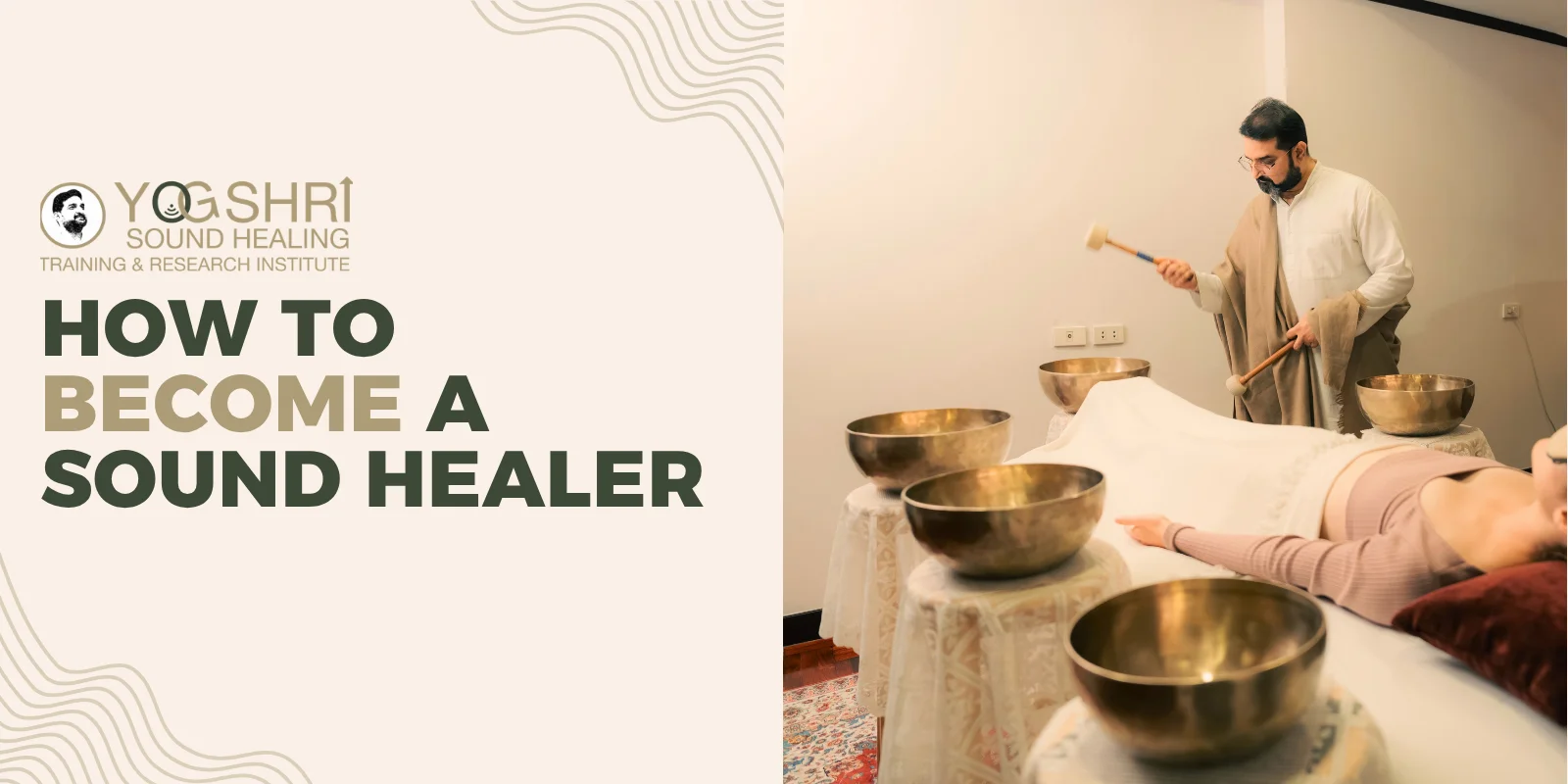
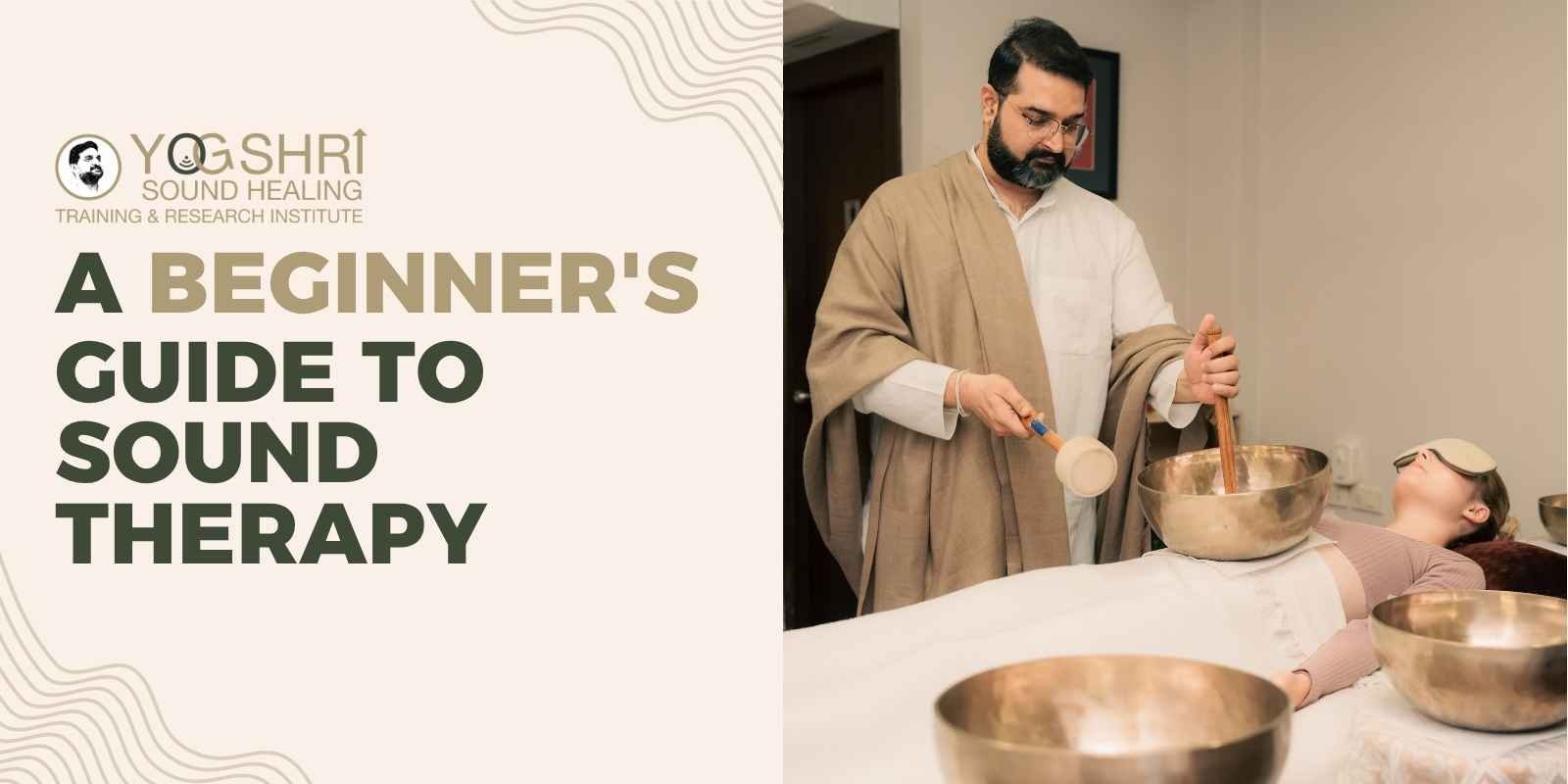
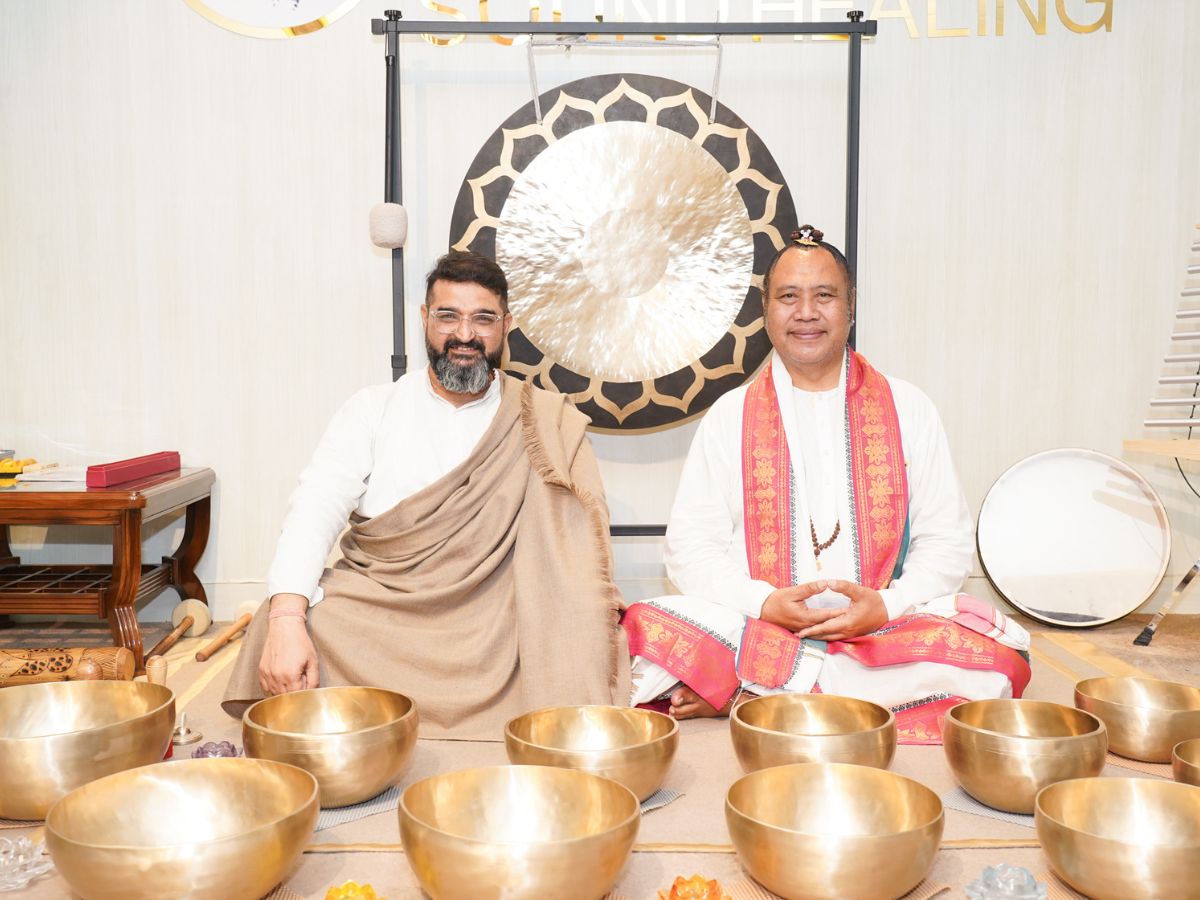
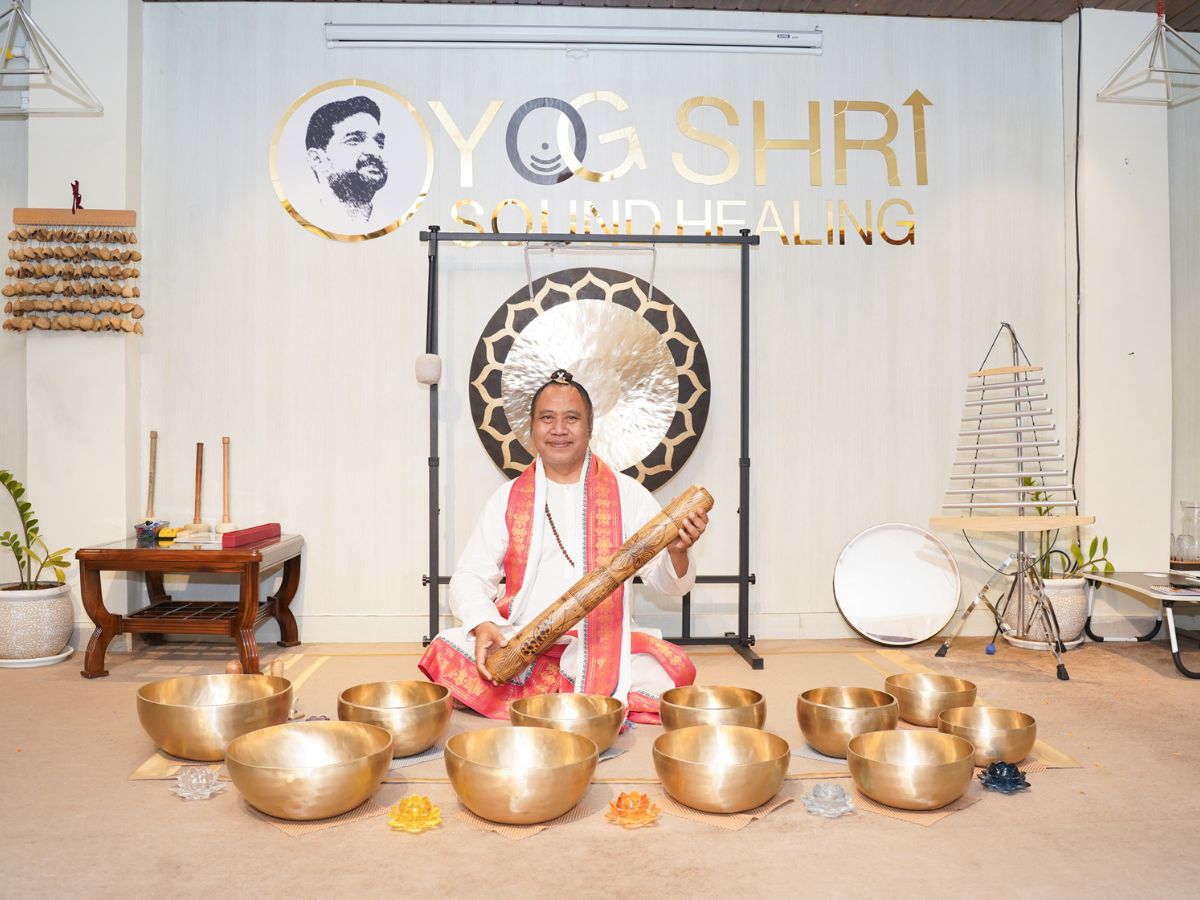
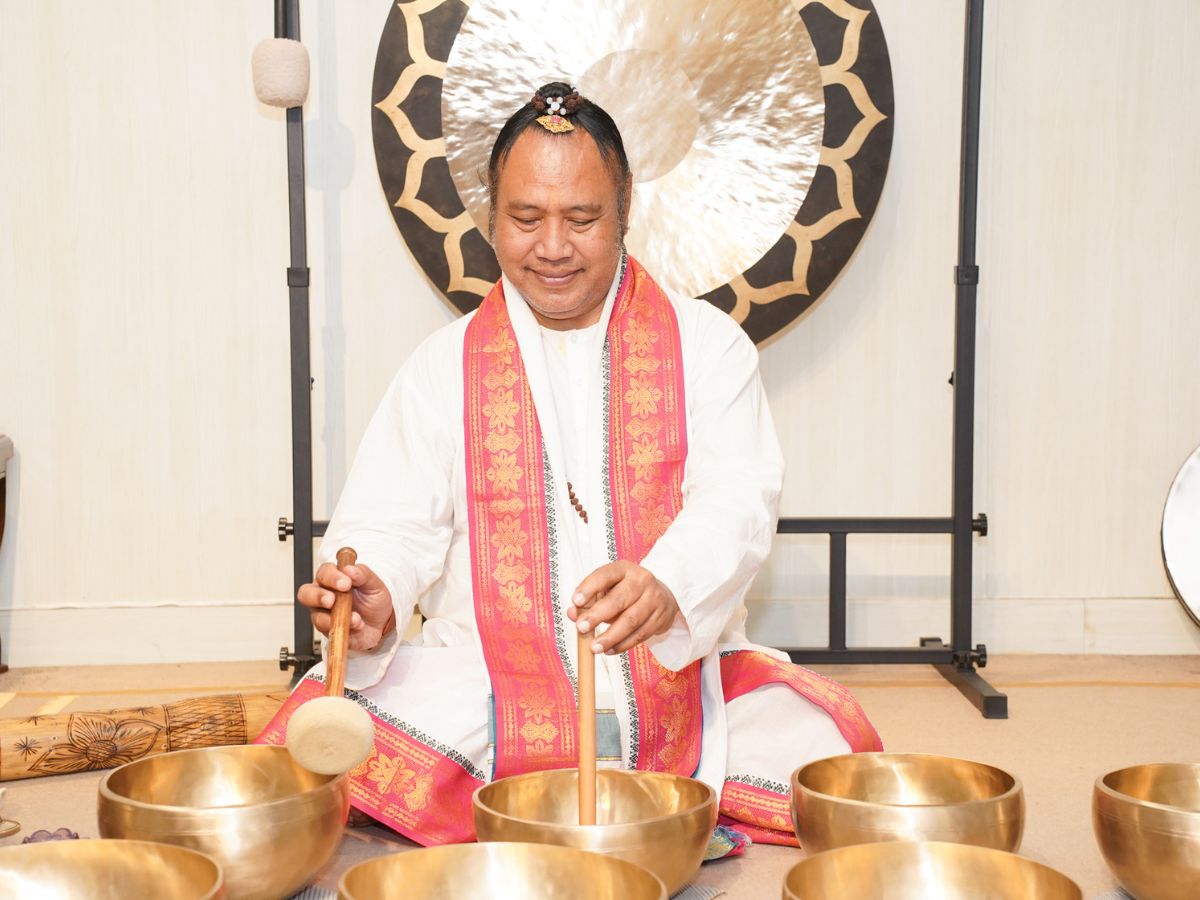
Sound healing uses specific vibrational frequencies, through Tibetan singing bowls, gongs, tuning forks, and other instruments, to help the nervous system relax deeply, allowing suppressed emotions to surface and release in a gentle, natural way. The vibrations work on a cellular level, helping to dissolve energetic blockages that have built up over time.
4. Integration and Rebuilding
Releasing old pain is only part of the process. True healing also involves learning new ways of thinking, relating, and being. The integration phase helps individuals build emotional resilience, develop healthier boundaries, and create a renewed sense of self.
This might include practices such as mindfulness, journaling, movement, community support, or continued sound healing sessions to maintain inner balance.
The Role of Sound Healing in Emotional Recovery
One of the most powerful and increasingly recognized modalities within therapy for emotional healing is sound healing. At Yogshri Healing, we have witnessed countless students and clients experience profound breakthroughs through the use of therapeutic sound.
Sound works differently from conventional talk therapy. It bypasses the analytical mind and reaches directly into the subconscious and nervous system. When the body is bathed in healing frequencies, the brainwave state shifts, moving from the stressed, reactive beta state into the calmer alpha or theta range. In these states, emotional processing becomes far more natural and less overwhelming.
Specific instruments are used intentionally. Tibetan singing bowls, for instance, are known for their ability to promote deep relaxation and emotional release. Gongs carry expansive frequencies that can help break up long-held stagnant energy patterns. The result is not just relaxation, but a genuine sense of emotional clarity and lightness that many describe as feeling “lighter” or “more themselves” after a session.
Who Can Benefit from Emotional Healing Therapy?
The honest answer is almost anyone. You do not need to be in crisis to benefit from emotional healing work. Even those who consider themselves emotionally healthy often discover layers of unprocessed feeling that, once addressed, unlock new levels of joy, creativity, and connection.
That said, therapy for emotional healing is particularly beneficial for those experiencing:
- Post-traumatic stress or complex trauma
- Emotional numbness or disconnection
- Recurring negative thought patterns
- Difficulty forming or sustaining meaningful relationships
- Feelings of shame, guilt, or unworthiness
- Physical symptoms with no clear medical explanation (often linked to emotional holding)
Taking the First Step
Beginning a journey of emotional healing can feel both daunting and hopeful. The most important thing to remember is that you do not have to do it alone, and you do not have to do it all at once.
At Yogshri Healing, we offer a range of therapies and training programs designed to support individuals at every stage of their emotional healing journey. From one-on-one sound healing sessions to structured certification courses in Rishikesh, our offerings are rooted in both ancient wisdom and genuine compassion.
If you have been carrying emotional weight for too long, whether you can name it or not, know that healing is possible. The body remembers what the mind tries to forget, and with the right support, even the deepest wounds can find resolution.
Summary
Therapy for emotional healing is not a luxury reserved for those in crisis, it is a fundamental act of self-care that benefits anyone willing to look honestly at their inner world. Through awareness, processing, release, and integration, emotional healing therapy offers a genuine path to living with greater freedom, authenticity, and peace.
At Yogshri Healing, we believe every person carries the seed of wholeness within them. Our role is simply to help create the conditions where that wholeness can grow.