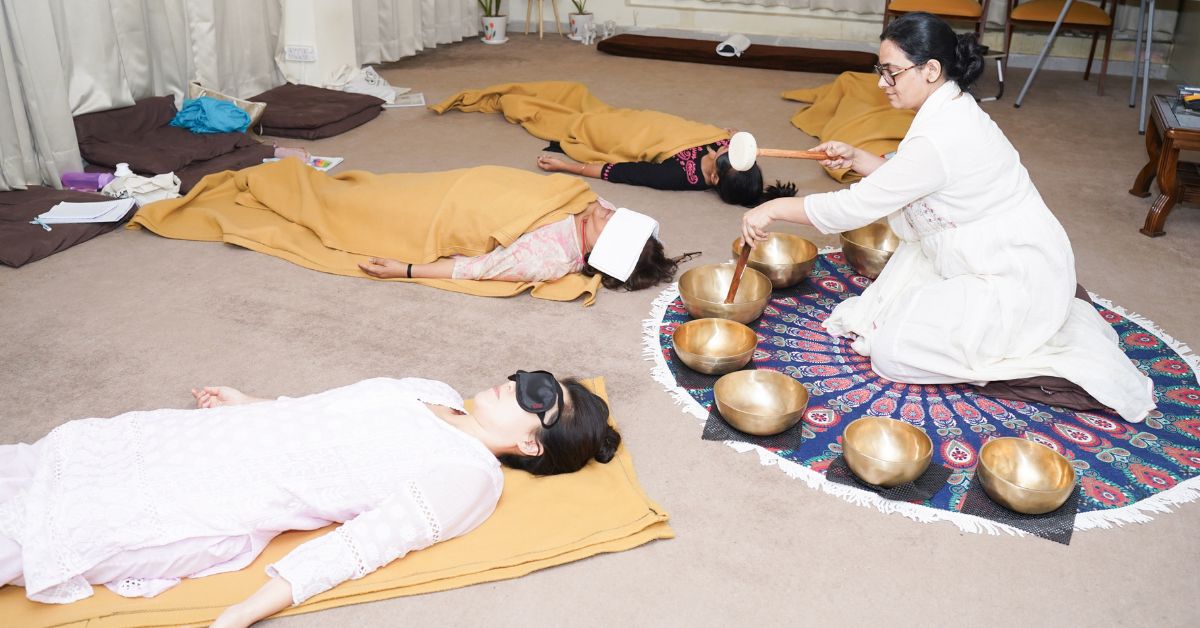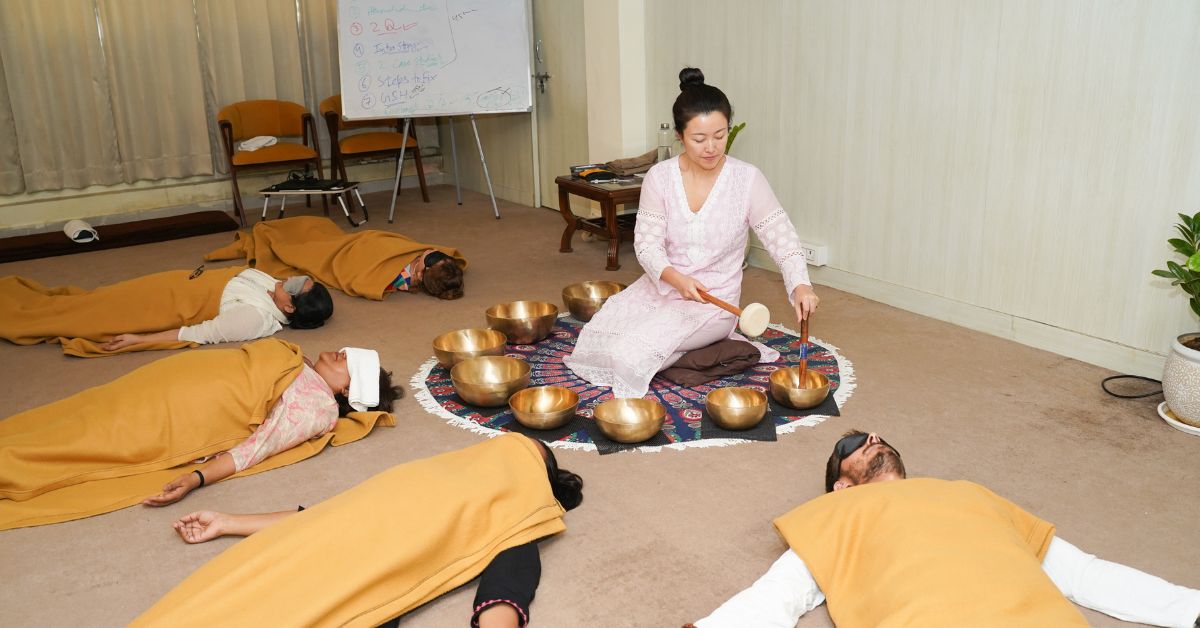
Sound healing has grown as a respected practice in the wellness and holistic health community. Many people seek structured training that teaches how sound frequencies, vibration, and resonance support emotional and mental well-being. The concept of sound healing teacher training is one that continues to expand and blossom, giving participants an opportunity to learn from a blend of traditional methods of healing with modern understandings of sound therapy.
The training at Yogshri Healing is focused on how one can explore sound as a therapeutic tool, having hands-on experience. Instead of just dealing with instruments, the program combines theory, application, and personal development in one package. This blog highlights some of the major benefits of the Yogshri Healing sound healing teacher training in a factual and neutral manner.
1. A Structured Approach to Understanding Sound
Onekey good thing of the Yogshri Healing sound class is its clear plan for sound help. Kids learn the base rules of sound waves, how high or low the sound is, & how sound moves. These things shape how sound meets the mind & body. Sound can help us feel calm or give us peace. This class helps you see how sound works in us. You get a first look at how sound can help people.
The training includes theoretical learning such as:
-
How sound waves travel
-
The effect of different frequencies
-
The relationship between sound and the nervous system
-
How sound influences brainwave states
A clear theoretical foundation helps students understand why certain sounds feel calming or uplifting and how these principles can be applied responsibly.
2. Practical Experience With Various Instruments
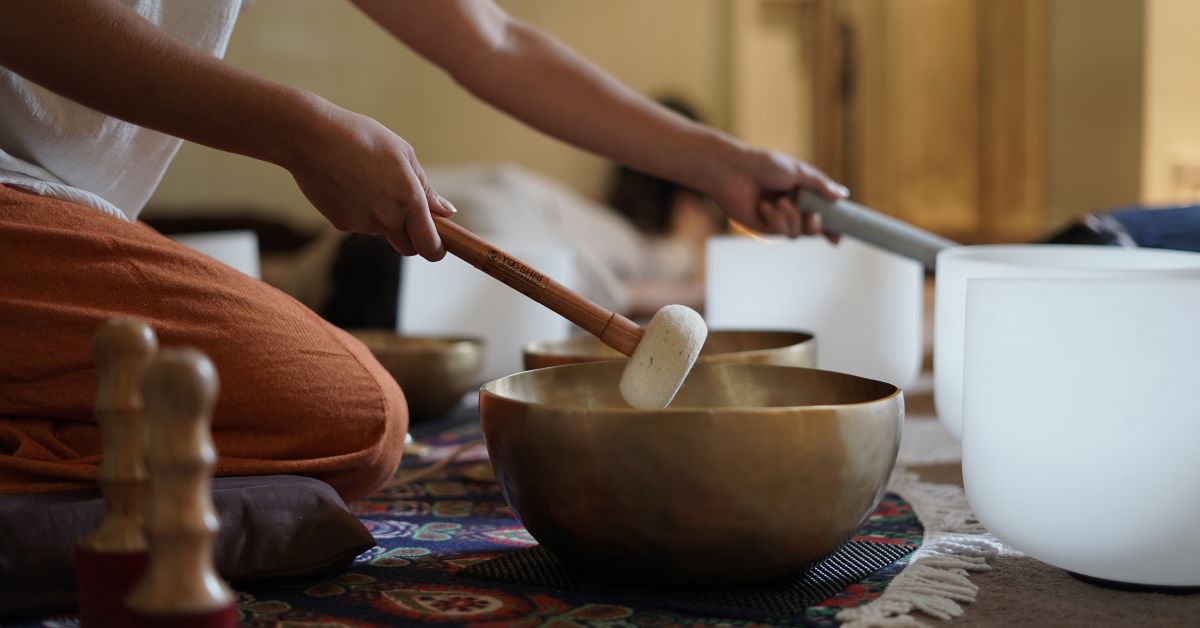
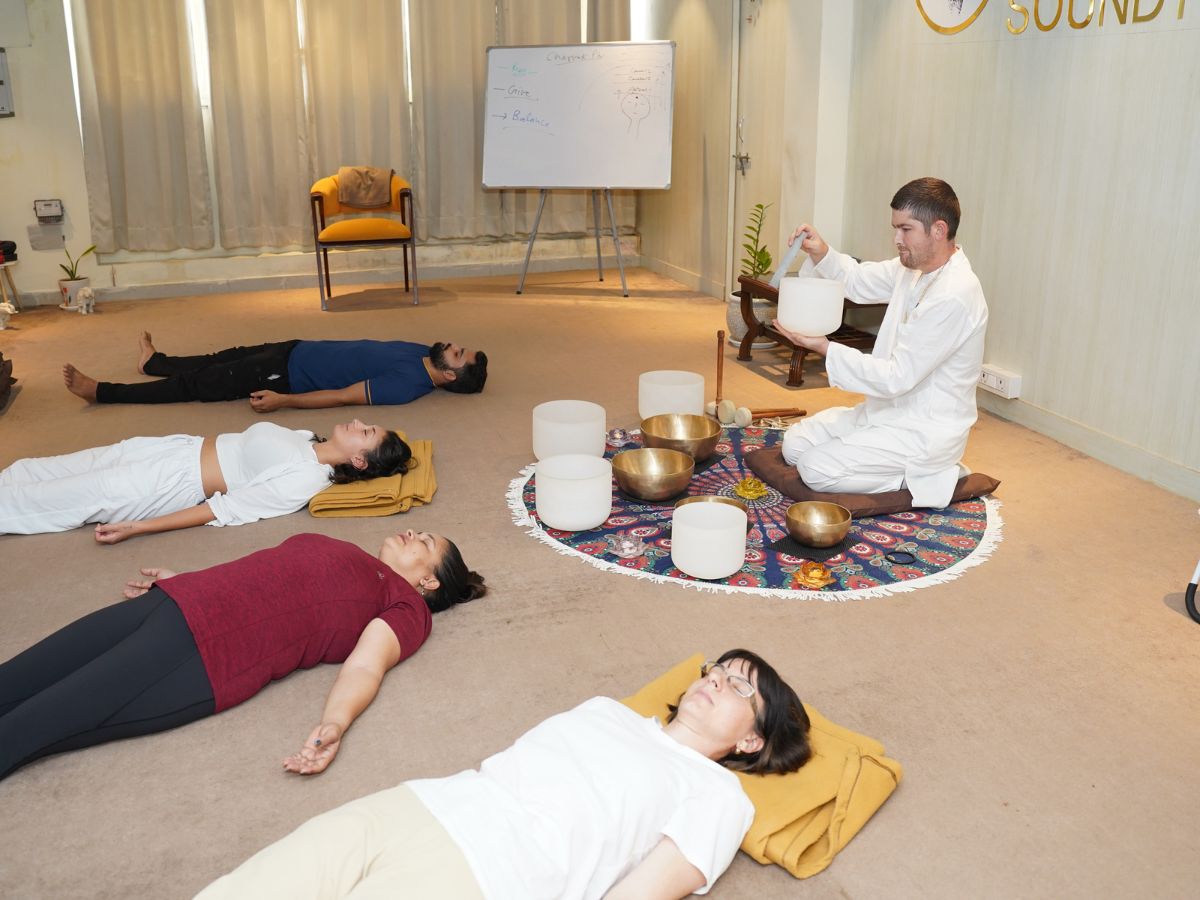
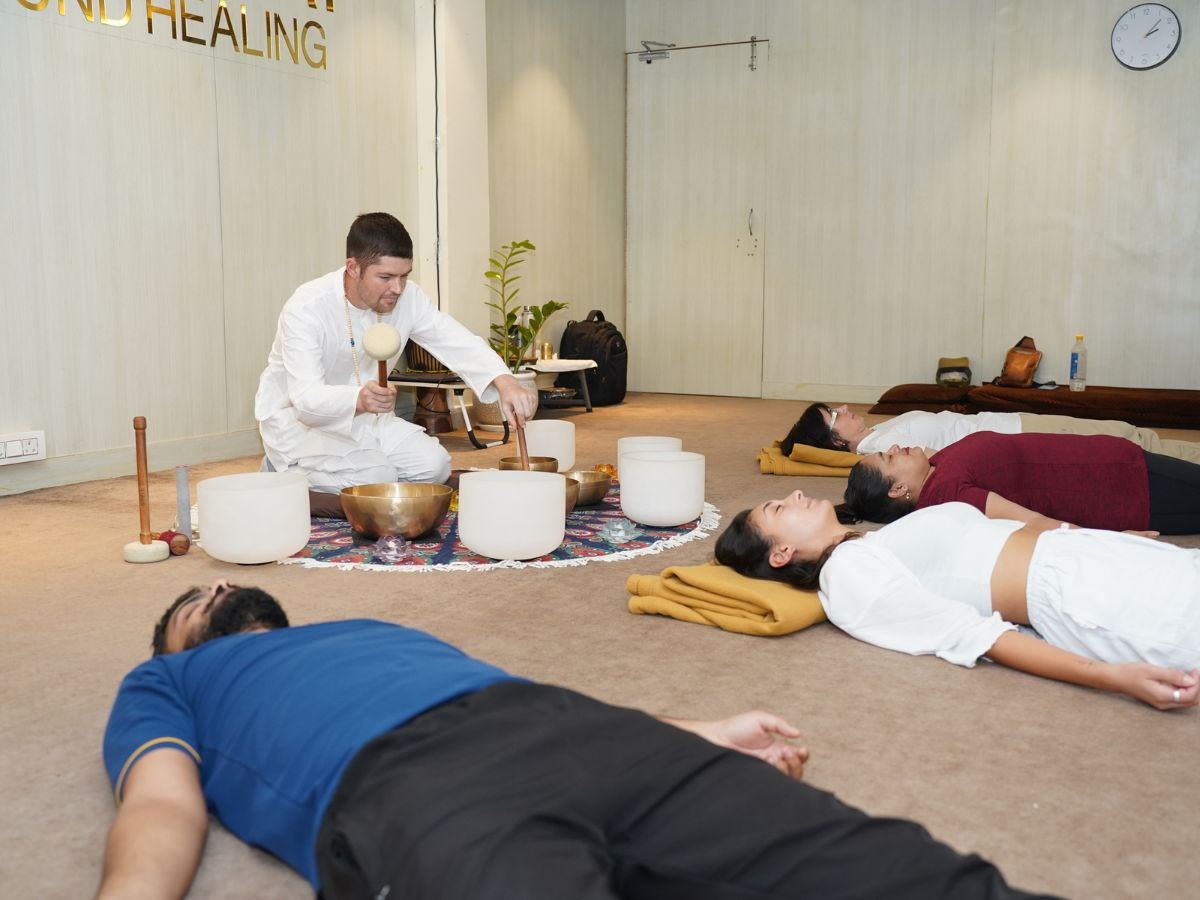
Another important aspect of sound healing teacher training is hands-on practice. The Yogshri Healing sessions allow students to experiment with different instruments commonly used in sound therapy, such as singing bowls, gongs, chimes, tuning forks, and drums.
Students learn:
-
How to hold and play each instrument
-
How different tones influence emotional states
-
How to create a balanced soundscape
-
How to combine instruments in a session
This practical training helps individuals understand how sound feels in live settings and how to create a steady, coherent flow during sessions.
3. Development of Personal Awareness and Mindfulness
A significant benefit of the Yogshri Healing sound healing teacher training is the emphasis on personal awareness. Sound healing often involves guiding others through calming or meditative states, and this requires the facilitator to develop a sense of mindfulness and presence.
Throughout the training, students participate in:
-
Guided meditations
-
Sound baths
-
Breathwork sessions
-
Reflective practices
These experiences help participants become more grounded and aware of their own energy, which can enhance their ability to support others with clarity and calmness.
4. Understanding Session Structure and Flow
An essential part of learning sound healing is understanding how to design a session. The Yogshri Healing sound healing teacher training introduces students to basic session frameworks without pushing a fixed method. This allows individuals to develop their own style while following general principles.
Students learn:
-
How to begin and end a session
-
How to create a gradual progression of sound
-
How to maintain a consistent rhythm
-
How to observe participants’ responses
This knowledge supports safe and thoughtful session design, whether students choose to work privately, in groups, or integrate sound with other wellness practices in the future.
5. Exposure to Energy Awareness Concepts
Many sound healing approaches include an understanding of energy systems such as chakras or subtle body awareness. In the Yogshri Healing sound healing teacher training, students are introduced to these concepts in a simple and accessible manner.
The goal is not to promote specific beliefs, but to help participants:
-
Notice subtle emotional shifts
-
Understand common energy-based interpretations
-
Develop sensitivity to how sound influences mood
-
Explore different approaches used in sound therapy traditions
This exposure helps students work with sound more intuitively and with greater understanding.
6. Opportunities for Self-Reflection and Growth
Sound healing is not only a technique but also a reflective practice. The Yogshri Healing training encourages students to observe their own reactions, thoughts, and patterns during sound-based exercises. This allows them to gain insight into how sound affects their personal well-being.
Benefits include:
-
Greater emotional awareness
-
Improved focus and calmness
-
Increased ability to listen deeply
-
A sense of connection during group work
These insights can help practitioners develop a grounded approach to sound work, supporting both personal growth and future facilitation skills.
7. Space to Explore Personal Style and Expression
Every sound healing practitioner eventually develops a unique way of working with sound. Instead of offering a rigid formula, the Yogshri Healing sound healing teacher training creates space for exploration. Students can experiment with their preferred instruments, rhythms, and session pacing.
This freedom supports:
-
Creative expression
-
Confidence in personal technique
-
The ability to adapt sessions to different environments
-
Individual growth as a facilitator
By understanding the basic foundations and then exploring freely, students build a style that feels natural to them.
8. Preparation for Future Application
While the training does not push any career path, it provides a foundation that can be applied in various settings. Individuals who complete the Yogshri Healing sound healing teacher training may choose to integrate sound into:
-
Yoga classes
-
Meditation groups
-
Wellness workshops
-
Personal practice
-
Community gatherings
The training gives students enough understanding and experience to explore sound healing safely and thoughtfully, regardless of how they decide to use it.
Summary
The Yogshri Healing sound healing teacher training offers a balanced blend of theory, practical experience, mindfulness, and self-reflection. Rather than promoting one fixed method, the training encourages students to understand how sound works, explore different instruments, and develop personal awareness. The benefits extend beyond technique, offering a deeper sense of calm, presence, and understanding of sound as a therapeutic tool.