Skip to content

The field of sound healing has evolved significantly over the past decade. What once centered on mastering a single instrument now embraces a more holistic approach that combines multiple sonic modalities. This shift reflects a deeper understanding of how different frequencies and vibrations interact with the human body and energy system, a philosophy that institutions like Yogshri Healing have integrated into their training methodologies.
Why Combined Techniques Matter
Traditional sound healing training often focused exclusively on one instrument. A practitioner might spend years perfecting Tibetan singing bowls or specializing in gong therapy. While depth of knowledge in one area has value, research and clinical experience increasingly suggest that combining techniques produces more comprehensive results.
Different instruments work on different levels of consciousness and physical structure. Crystal bowls, for instance, resonate particularly well with the body’s cellular structure due to their quartz composition. Gongs create complex wave patterns that can induce altered states of consciousness. Tuning forks deliver precise frequencies that correspond to specific physiological responses. The human voice, meanwhile, carries emotional resonance that no instrument can replicate.
When these modalities work together, they create layered experiences that address multiple dimensions simultaneously, physical tension, emotional blockages, mental patterns, and energetic imbalances.
Components of Comprehensive Training
Programs offering the best sound healing certification typically include several key elements. First, they provide hands-on training with multiple instruments rather than limiting students to a single modality. This means learning proper playing techniques for bowls, gongs, tuning forks, drums, and other instruments, along with understanding their unique therapeutic applications.
Theoretical education forms another crucial component. Students study acoustics and how sound waves physically interact with matter. They learn about the autonomic nervous system and how specific frequencies trigger relaxation responses. Many programs incorporate elements of psychology, exploring how sound affects emotional states and can support processing trauma or stress.
At Yogshri Healing, the emphasis on combining ancient wisdom with modern therapeutic understanding creates a bridge between traditional practices and contemporary applications. This integration ensures practitioners understand not just the “how” but also the “why” behind each technique.
Anatomy and physiology training helps practitioners understand what’s happening in clients’ bodies during sessions. When someone reports tingling sensations or emotional releases, practitioners with solid anatomical knowledge can contextualize these responses appropriately.
Practical application involves supervised practice sessions where students work with real clients under instructor guidance. This hands-on experience proves invaluable, as theoretical knowledge alone cannot prepare someone for the nuances of actual therapeutic work.
Essential Modalities in Multi-Technique Practice
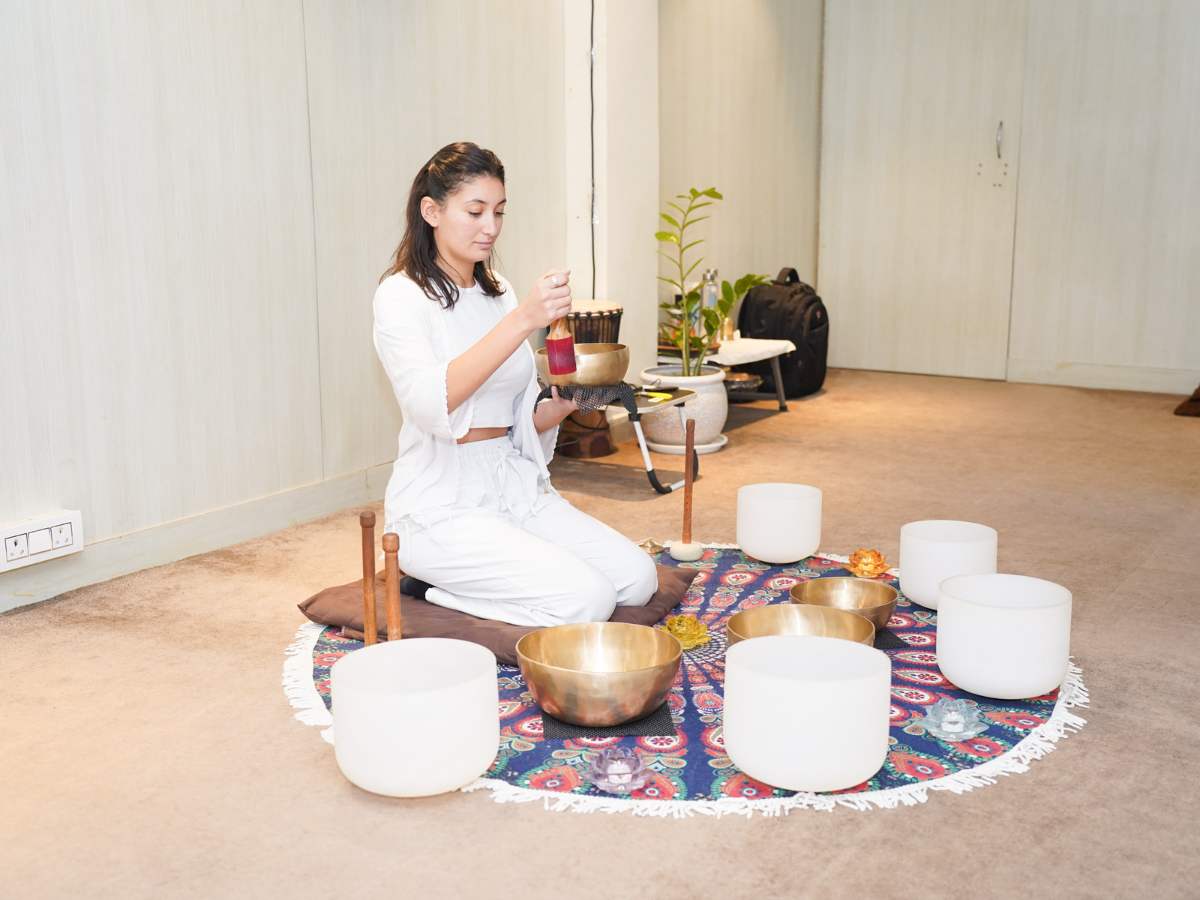
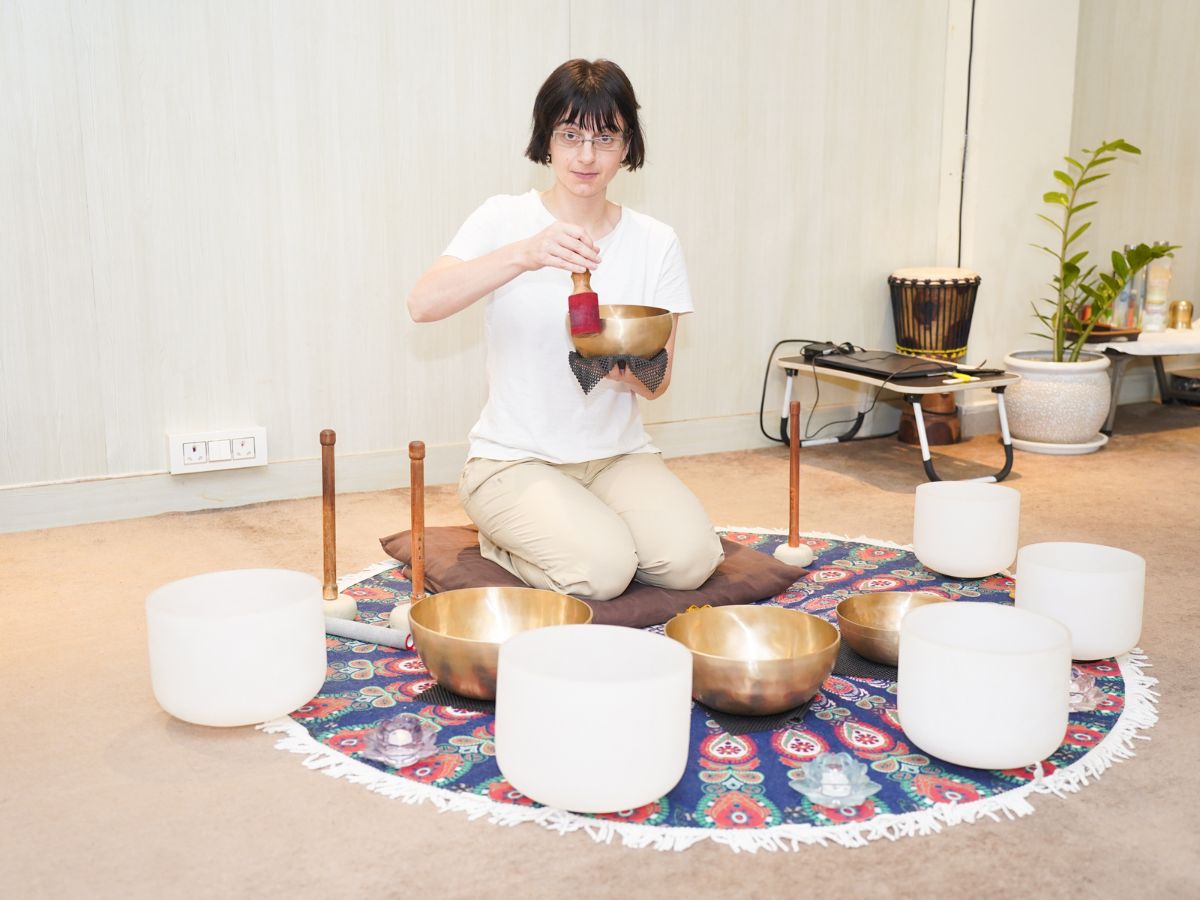
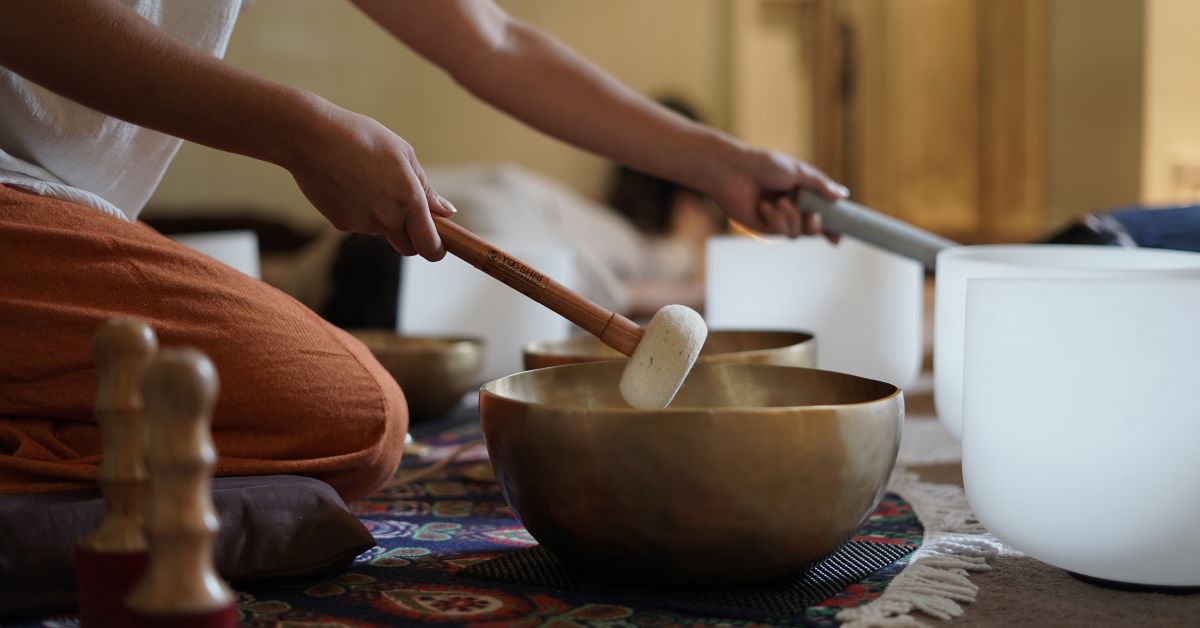
A well-rounded sound healing education covers several core instruments and approaches. Singing bowls, both Himalayan metal and crystal varieties, serve as foundational tools. Learning to play them involves understanding mallet selection, striking versus rimming techniques, and how to create harmonic progressions between multiple bowls.
Gong work represents a more advanced practice. Gongs produce incredibly complex soundscapes with hundreds of overtones. Training covers different gong types, appropriate mallets for various effects, and techniques ranging from subtle whispers to powerful crescendos. Perhaps most importantly, students learn to guide clients through the intense experiences gongs can catalyze.
Tuning fork therapy offers precision that bowl and gong work cannot match. Practitioners learn to apply weighted forks directly to the body for localized effects and use unweighted forks in the biofield for energetic work. Training includes specific protocols backed by research, such as using 128 Hz for nervous system calming or 528 Hz for cellular repair.
Voice and toning techniques reconnect practitioners with humanity’s oldest instrument. Students learn breath control, vocal projection, overtone singing, and how to use their voices therapeutically. This often proves the most personally transformative aspect of training, as it requires vulnerability and self-acceptance.
Additional modalities might include frame drums for rhythmic entrainment, chimes and bells for energetic clearing, rainsticks for transitional moments, and even silence as an intentional tool.
The Art of Integration
Learning individual instruments represents only half the journey. The real skill lies in understanding how to sequence and layer these modalities effectively. This requires developing musical intuition, therapeutic sensitivity, and the ability to read subtle client responses.
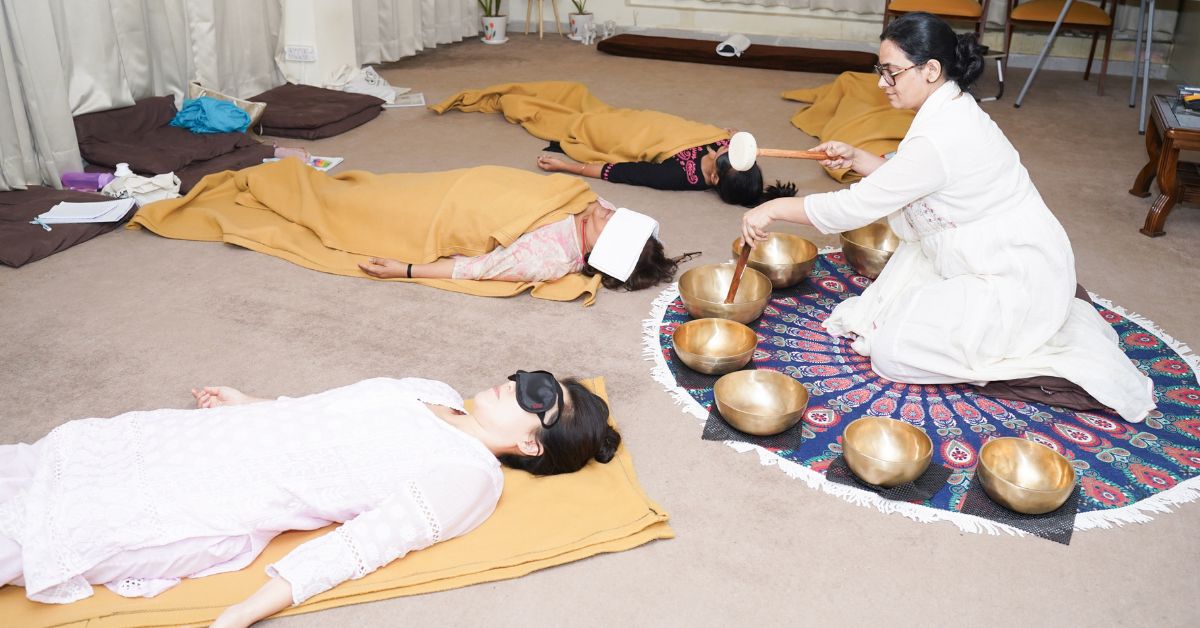
Integration involves understanding energy arcs, how sessions typically progress from engagement through deepening, processing, and integration back to alert awareness. Practitioners learn which instruments work best at different stages. Higher-frequency crystal bowls might begin a session, engaging the mind and inviting attention inward. Mid-range instruments support emotional processing. Lower frequencies help ground experiences. Gentle, higher tones at the end support integration.
Effective practitioners also develop improvisational skills, adjusting their approach based on real-time feedback. If a client appears agitated, the practitioner might switch from intense gong work to gentler bowl tones. If someone seems stuck in mental chatter, introducing rhythmic drumming might help drop them deeper.
The Yogshri Healing Approach to Combined Techniques
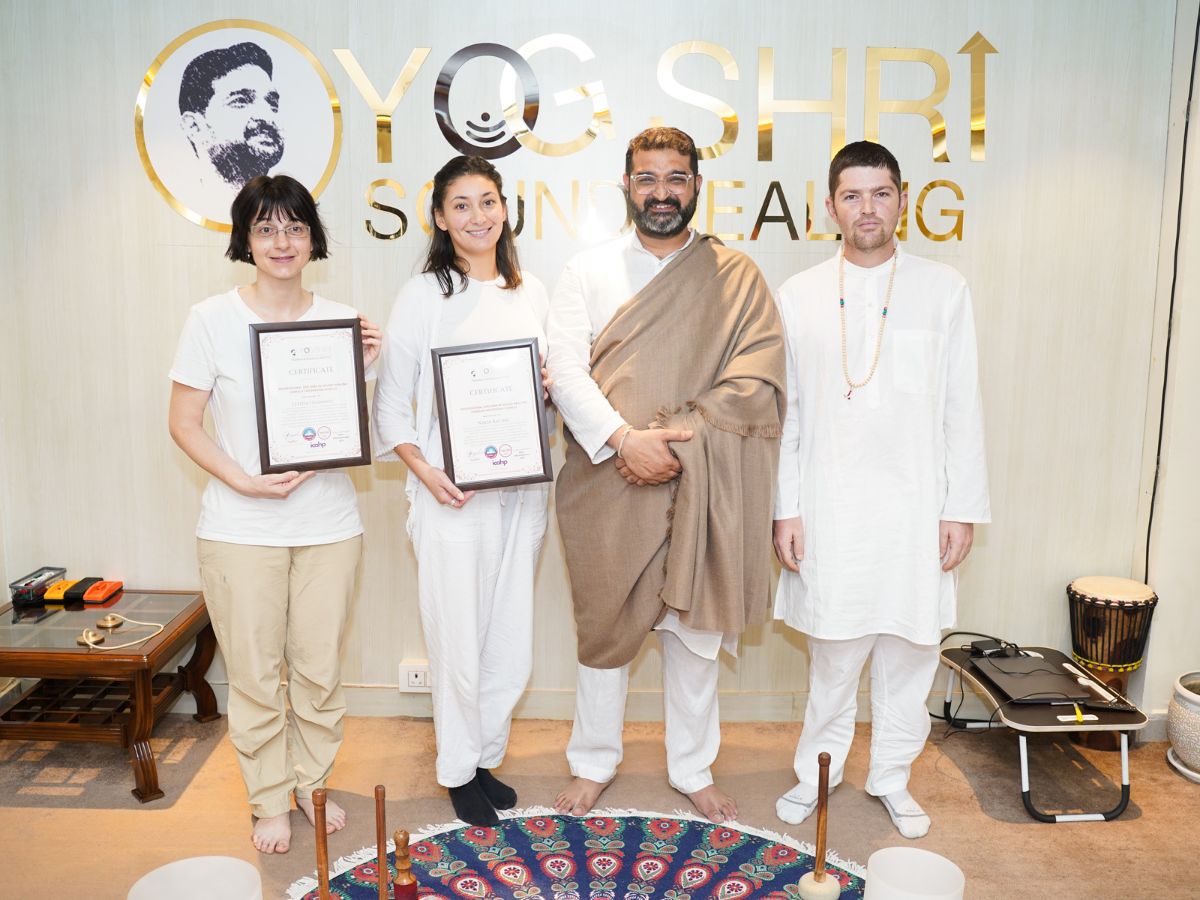
Yogshri Healing’s methodology exemplifies how integrated training prepares practitioners for diverse client needs. By teaching multiple modalities within a unified framework, students learn to create customized healing experiences rather than following rigid protocols. This flexibility proves essential in professional practice, where each client presents unique circumstances, preferences, and responses.
The best sound healing certification programs recognize that healing is both an art and a science. They balance structured learning with space for personal exploration and development of individual therapeutic style.
Practical Considerations and Ethics
Comprehensive certification programs address the realities of professional practice, not just technique. This includes understanding scope of practice and recognizing that sound healing complements but doesn’t replace medical or mental health treatment. Practitioners learn when to refer clients to other professionals.
Trauma-informed care has become essential training. Sound can evoke powerful memories and emotions. Practitioners need skills to create safe containers for this work and support clients through unexpected responses without pathologizing normal healing processes.
Business aspects matter too, how to structure sessions, create sustainable pricing, manage a practice, and continue professional development. Many practitioners struggle not because they lack skill, but because they haven’t learned to build viable practices.
The Learning Journey
Most comprehensive programs require 100-300 hours of training, though some extend further. Formats vary from intensive residential programs to part-time studies spread over months or years. Online education has expanded access, though hands-on components remain essential.
The field continues evolving as research emerges about sound’s therapeutic mechanisms. Practitioners committed to excellence engage in ongoing education, attending workshops, studying new research, and refining their skills through practice and peer supervision.
Moving Forward
Sound healing represents a unique intersection of ancient practice and modern understanding. As the field matures, training programs increasingly emphasize integrated approaches that honor this complexity. Institutions like Yogshri Healing demonstrate how combining multiple techniques within a coherent framework creates practitioners who are versatile, knowledgeable, and capable of facilitating profound healing experiences.
For those drawn to this work, seeking education that provides both breadth across modalities and depth in understanding creates the foundation for meaningful, effective practice. The journey of becoming a sound healing practitioner is transformative not just for future clients, but for the practitioners themselves as they discover the healing power of vibration, resonance, and intentional sound.