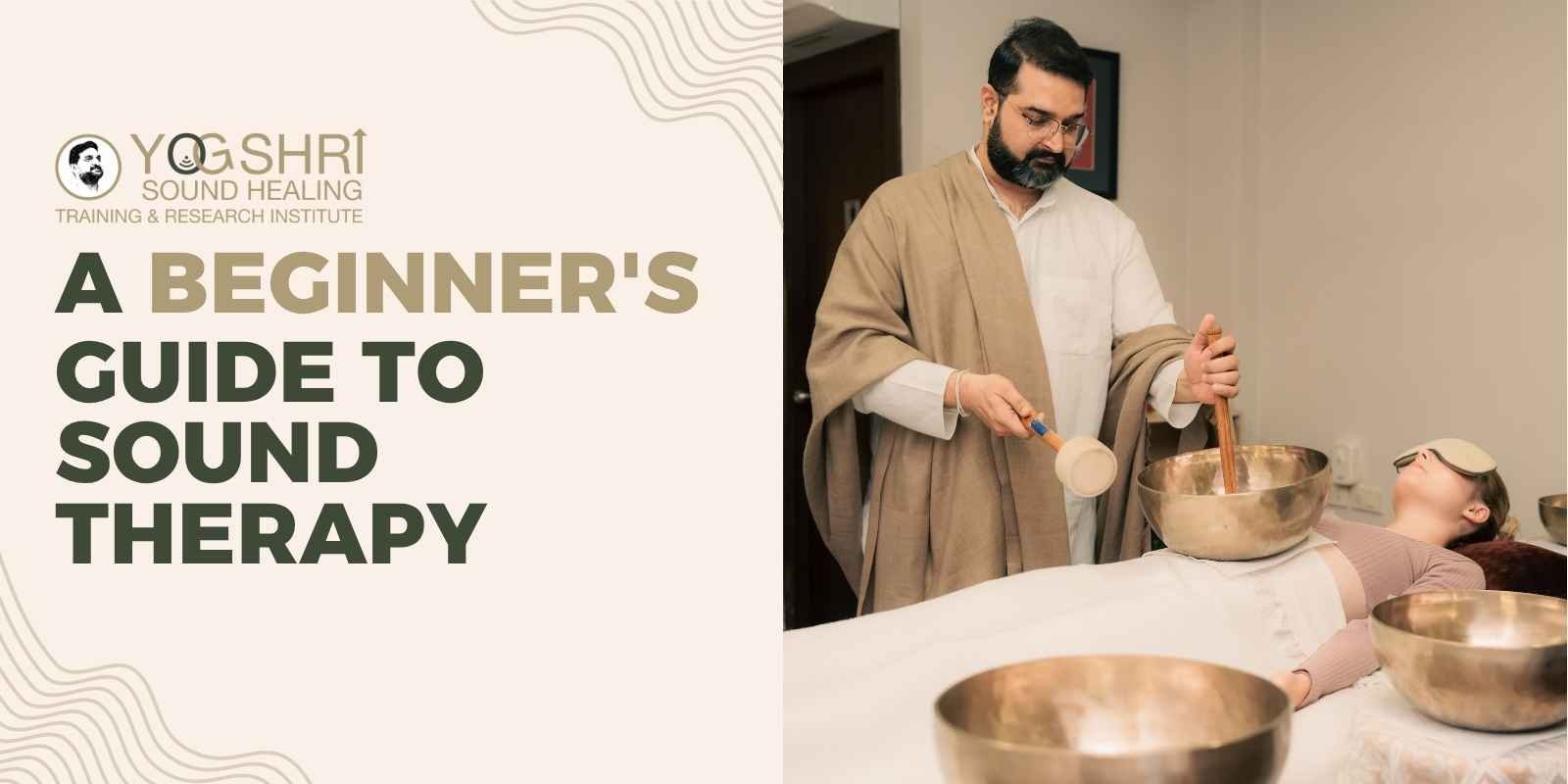
Ever sat in a room while someone struck a singing bowl and just, Felt your shoulders drop? That’s sound healing, whether you knew the name for it or not. The term is everywhere lately: wellness studios, Instagram reels, and spa menus that used to just say “massage.” But what is it actually, and is there anything real behind the calm people talk about?
What Is Sound Healing, Exactly?
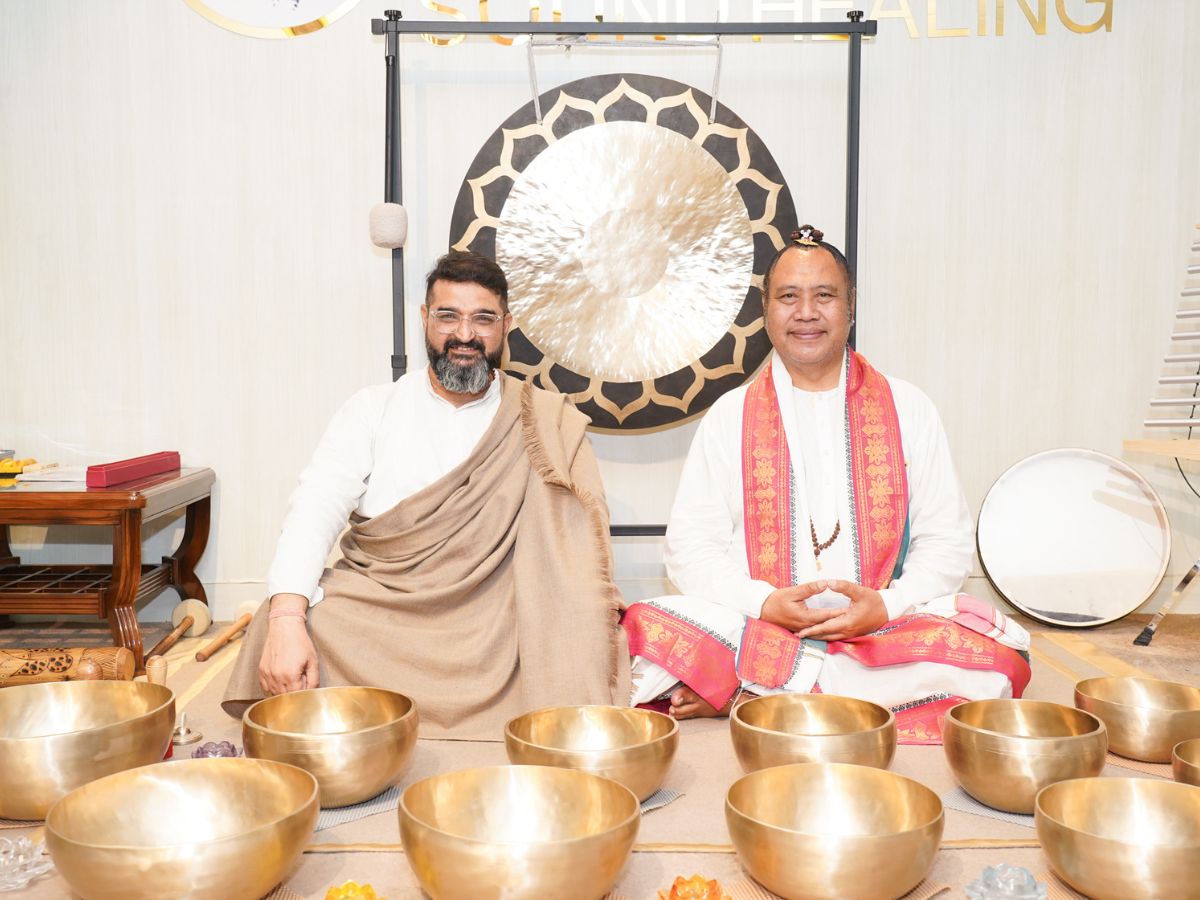
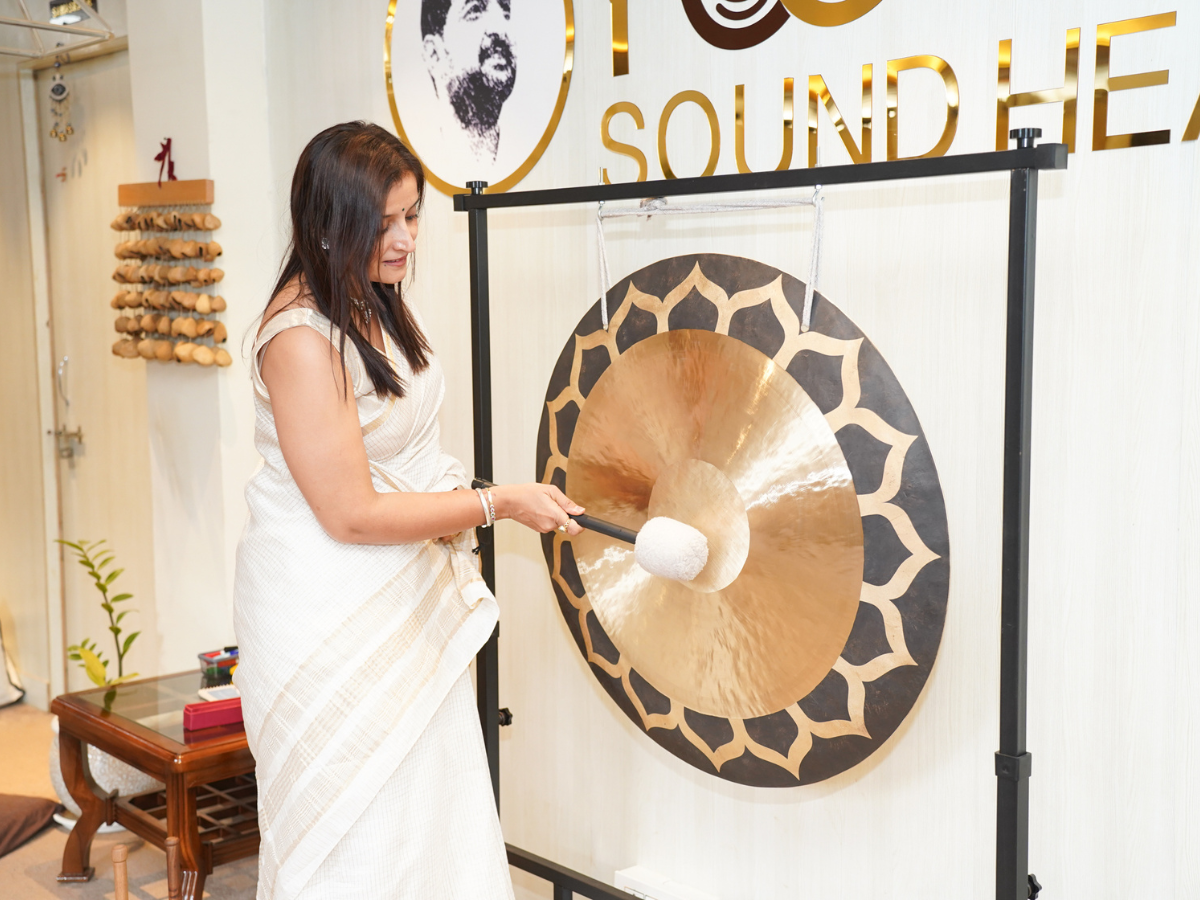
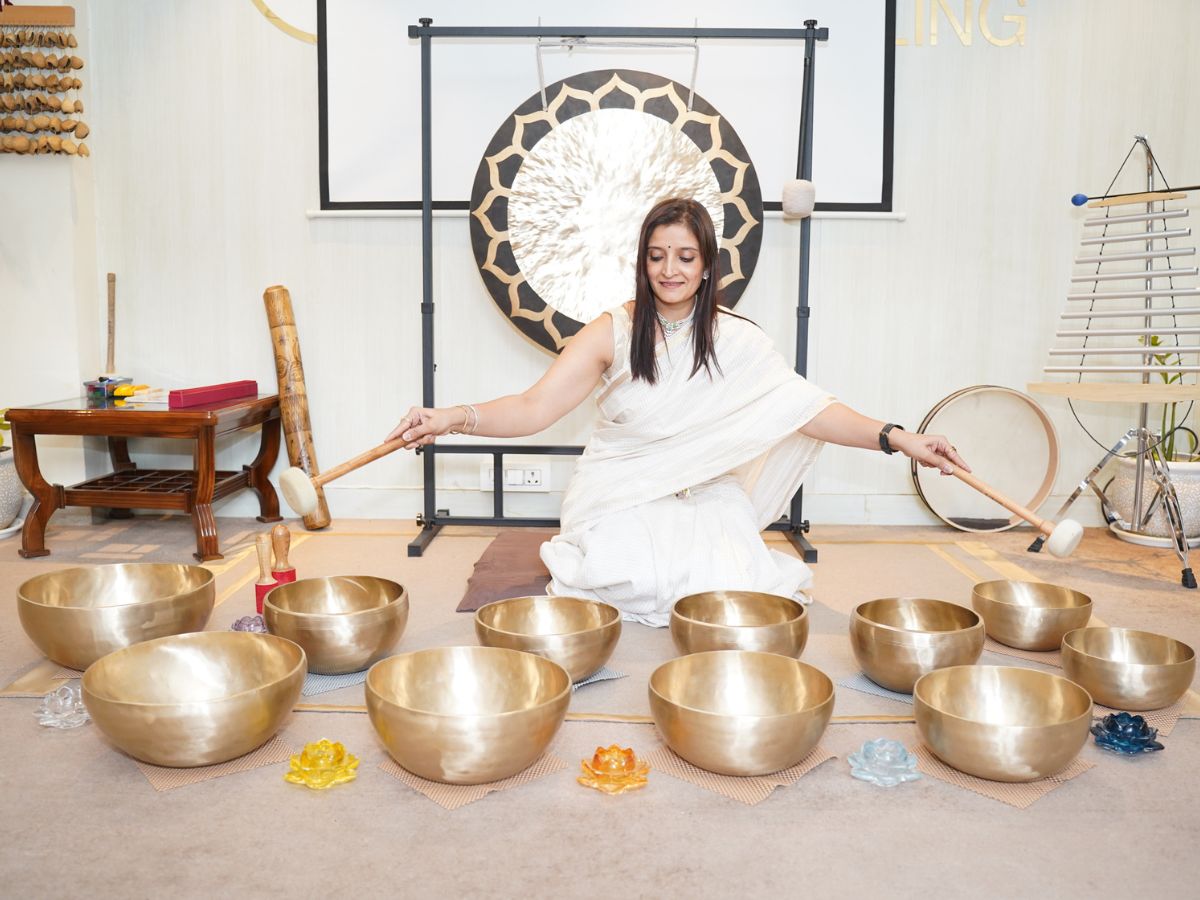
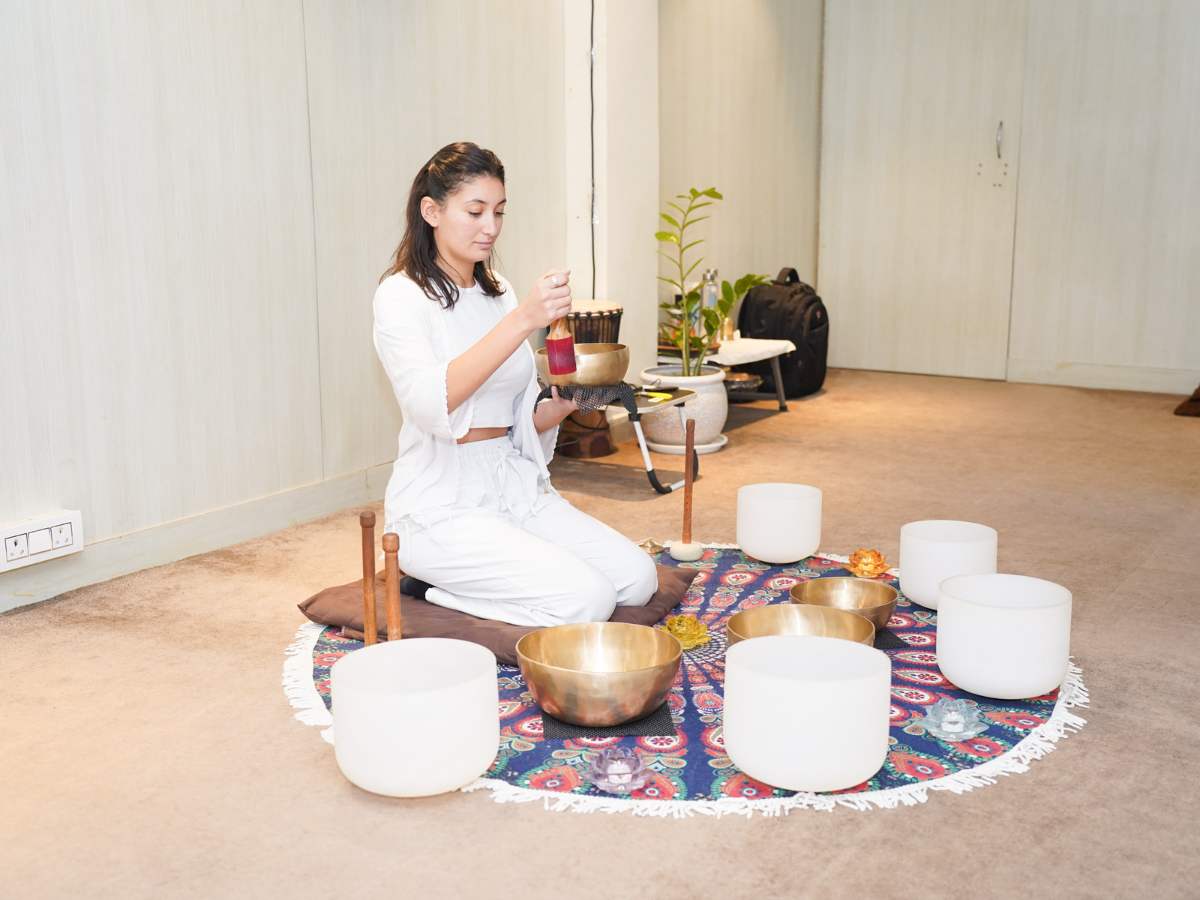
Sound healing uses specific sounds and vibrations Tibetan or crystal singing bowls, gongs, tuning forks, sometimes nothing more than a trained voice to help the body and mind ease into a calmer state.
None of this is new, honestly. Chanting, drumming, and resonant instruments people have used these in meditation and ritual across cultures for hundreds of years, long before anyone called it “sound healing.” What’s changed is the question people are asking about it. It’s no longer just “Does this feel nice?” Now people want to know why it feels nice, and whether that reason can actually hold up to some scrutiny.
That question matters more than it might seem. Sound healing isn’t about owning a shelf full of pretty bowls or putting on a relaxing performance for someone. It’s about understanding what’s actually happening when sound and vibration meet the nervous system and using that understanding responsibly.
Sound Healing or Sound Therapy — What’s the difference?
Pretty much, in everyday use. People swap the two terms without thinking twice, and that’s fine. There’s a smaller distinction if you care about it sound therapy is more often the name for a structured, guided session, usually one-on-one, with someone walking you through it. Sound healing covers more ground. It’s the tradition and the thinking behind the practice, not just what happens in a single session.
Whichever word you use, the goal doesn’t change. Relaxation, focus, working through something emotional never a performance.
How Does Sound Healing Actually Work?
Slow, repetitive, resonant sound does something fairly predictable to the body. Breathing eases and slows, usually without anyone trying to make that happen. The constant mental chatter most of us carry around starts to fade into the background. And the low-grade stress response a lot of people live in the one that’s been running so long it stops feeling unusual finally gets a moment to let go.
Part of this has solid science behind it. Rhythmic sound genuinely can shift brainwave patterns and support a calmer physical state. What’s newer is people trying to actually track that shift with numbers stress markers, heart rate variability, and brain activity readings taken before and after a session instead of just going on someone’s word that they felt better afterward.
This field is still young, scientifically speaking, and that’s fine to admit. It’s not a stand-in for medical care, and anyone who tells you it cures something specific is overselling it. What the current research tends to support is more modest: sound-based practices can genuinely help with relaxation, stress, and emotional well-being when they’re approached with some intention behind them.
What Are the Benefits of Sound Healing?
People show up to sound healing for all kinds of reasons, but a handful of benefits keep coming up, both in what people say afterward and in what early research is starting to find.
- Stress and anxiety relief tends to be the first thing people mention. Those long, sustained tones aren’t random they’re meant to calm down a nervous system that’s been running hot for too long, which describes most people’s baseline more than we’d like to admit.
- Sleep tends to get better too, especially for people who try evening sessions. Telling a racing mind to slow down rarely works. Giving it something else to focus on for a while, though, seems to do the job.
- Focus sharpens for a lot of people once a session ends not forever, but enough that they notice. Cut the mental noise out even briefly, and clarity tends to follow on its own.
- Then there’s the emotional piece. Sound seems to slip past the part of the brain that overthinks everything. People often describe working through something in a session they didn’t even realize they’d been sitting with.
- And body awareness comes back into play as well actually feeling a vibration rather than just hearing it, something a lot of people have drifted away from after years of living mostly on screens.
None of this happens instantly, and it won’t look the same for two different people. That’s not a flaw in the practice. If anything, it’s part of what keeps researchers interested in studying this space further.
Who Is Sound Healing For?
Just about anyone curious enough to try it. No prior experience needed, no particular belief system, nothing to buy beforehand. Some people come purely looking for stress relief. Some fold it into a mindfulness practice they already have going. And some are practitioners themselves, wanting to understand the work well enough to use it responsibly with other people.
That last group runs into something worth clearing up early: sound healing was never really about how many instruments someone can play or how smoothly they can run a session. It comes down to understanding people their emotional state, what they actually need, and when and how sound should be used to support them. The instrument is just a tool. Understanding how to use it is the real skill.
Getting Started With Sound Therapy
If you’re new to this, the easiest way in is to experience a guided session at Yogshri Sound Healing offer introductory sound baths where you simply lie down and listen. From there, some people get curious enough to go further, looking into the philosophy behind it, the science, maybe even formal training down the line if they want to practice it themselves or fold it into a routine they already have going.
There’s no single right path here. It’s more about staying curious, being patient with yourself, and actually paying attention to how your own body and mind respond instead of walking in expecting a specific result.